Mechanics First
Interactive systems define how players engage with environments. We prioritize responsive controls, predictable physics, and clear feedback loops that make moment-to-moment gameplay intuitive and satisfying.

Domain builds interactive experiences where mechanics and spatial design create immersive worlds.
Explore our work
Game mechanics are functional systems that respond to player input. When combined with three-dimensional spaces, they create environments that feel responsive and deliberate. Our team focuses on clarity in interaction design, ensuring that movement, physics, and visual feedback align with player expectations.
Each project begins with spatial planning, establishing how objects relate to one another in virtual space. We prototype control schemes early, testing how inputs translate to on-screen actions. Iteration refines timing, weight, and responsiveness until the system feels cohesive.
Visual design supports functionality rather than obscuring it. Lighting guides attention, geometry defines pathways, and color communicates state changes. Technical constraints shape creative decisions, leading to solutions that work within hardware limitations while maintaining visual integrity.
Interactive systems define how players engage with environments. We prioritize responsive controls, predictable physics, and clear feedback loops that make moment-to-moment gameplay intuitive and satisfying.
Three-dimensional spaces require careful organization. We design environments where navigation feels natural, where landmarks provide orientation, and where level geometry supports gameplay objectives without visual clutter.
Playable builds reveal what documentation cannot. Regular testing sessions expose friction points, balance issues, and unclear objectives, allowing us to adjust systems before problems compound across development cycles.
Performance budgets and platform constraints shape design from the start. We optimize asset pipelines, minimize draw calls, and profile frame times throughout production to maintain stable performance across target hardware.

Technical Director
Manages engine integration, performance optimization, and rendering pipelines. Previously worked on physics systems for simulation software before joining Domain in 2019.

Lead Environment Artist
Oversees level design and spatial composition. Focuses on modular asset creation and lighting strategies that support gameplay objectives while maintaining visual coherence across scenes.
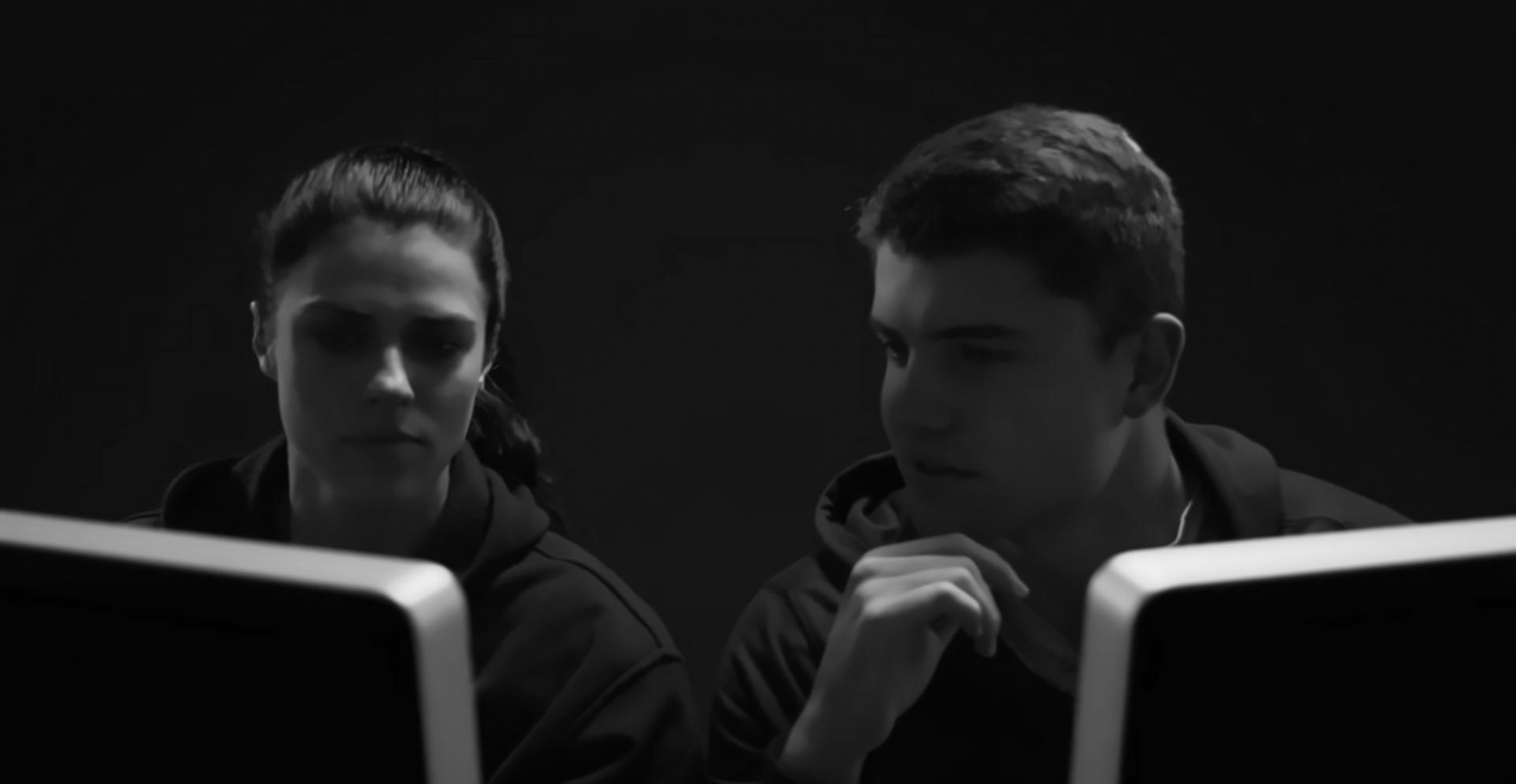
Environmental storytelling through spatial arrangement
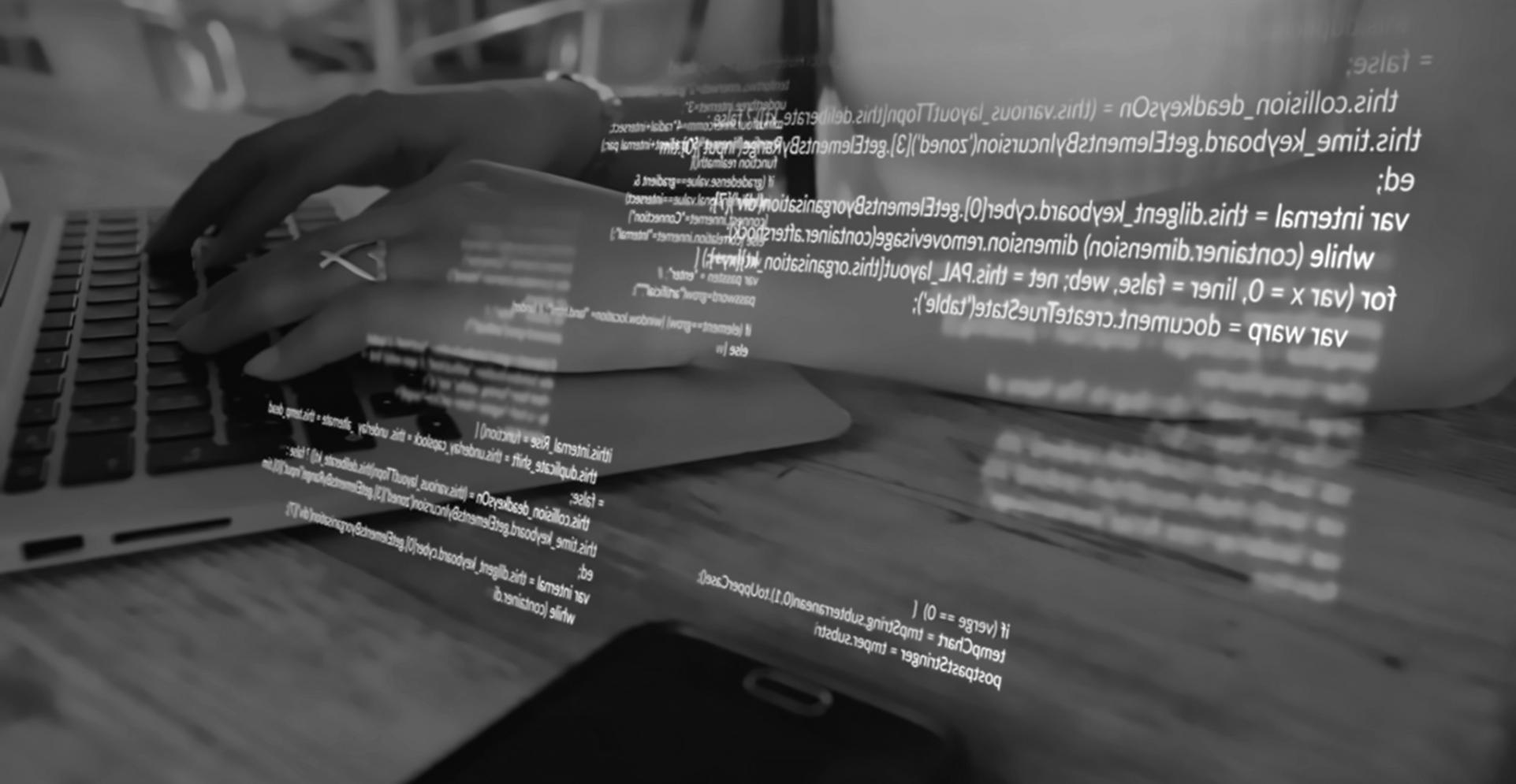
Character systems with responsive animation states